Source Eco Friendly Metal Cigarette Lighter for Kitchen, BBQ, and Gifts
Source eco friendly metal cigarette lighter options from verified manufacturers. Compare 30 models featuring gas, electronic, and refillable designs. Evaluate specifications, packaging, and customization for kitchen, BBQ, and gift applications; compare the available evidence and request quotations based on your requirements.
Key considerations
Products List


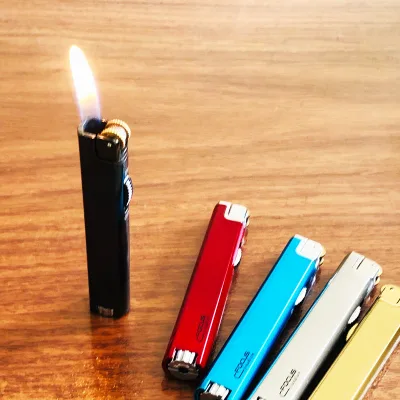
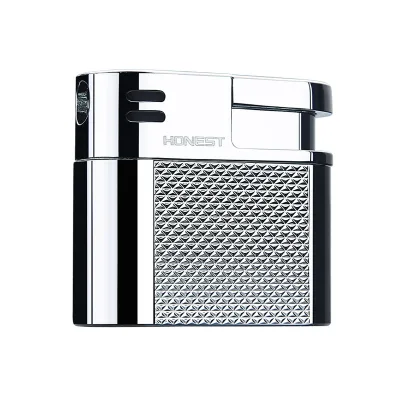
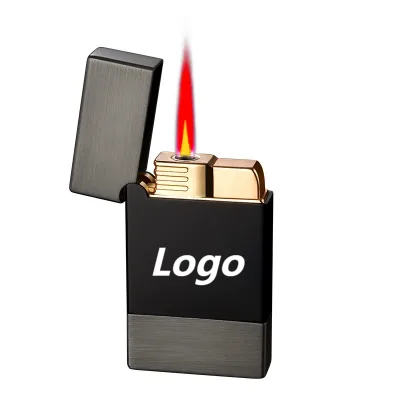


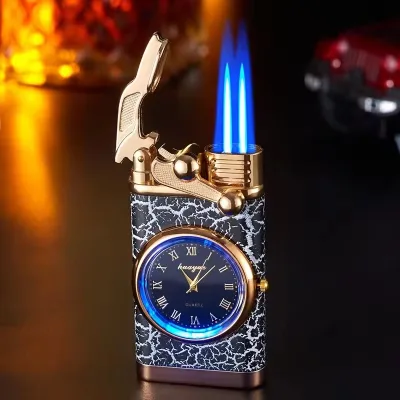




Comprehensive Sourcing Guide
Eco Friendly Metal Cigarette Lighter Sourcing Guide
Procuring eco-friendly metal cigarette lighters requires distinguishing between durable refillable units and disposable alternatives, as the market offers both gas and flint ignition systems. Buyers must verify that the metal construction, often zinc alloy, provides the necessary windproof performance and flame strength while ensuring the product remains refillable to reduce long-term waste. The observed product range includes models designed for kitchen torches, BBQs, and general gift applications, indicating that material durability is a primary driver for the "eco-friendly" classification in this sector.
When evaluating listings, procurement teams should note that customization options like laser logos and OEM branding are widely available, yet the core environmental benefit relies on the product's ability to be refilled rather than discarded. The supply chain data indicates a significant variance in packaging, from display boxes to bulk cartons, which impacts the final unit cost and shipping efficiency. Sourcing decisions must balance the aesthetic appeal of five available colors against the functional requirement of a robust metal body that withstands repeated use without degradation.
Product Scope and Observed Listing Signals
The current market signals reveal a diverse product scope where metal lighters are categorized by their ignition mechanism, including gas, flint, and electronic options. While some listings highlight features like triple jet flames and windproof capabilities, others focus on decorative or gift-oriented functions, suggesting that the "eco-friendly" label often applies to the refillable nature of the metal casing rather than the fuel source itself. Buyers should carefully cross-reference the specific model numbers, such as DY-F003 or DY-Z01, to ensure the physical dimensions and material composition match the intended application, whether for kitchen use or general consumer gifting.
Observations of the supply data show that packaging standards vary significantly, with some units shipped in blister cards for retail display and others in bulk cartons containing 50 pieces per box. This variation directly influences the minimum order quantity, which can range from 300,000 pieces for specific items to lower thresholds for custom orders. Procurement strategies must account for these logistical differences, as the heavy carton weights observed, such as 22kg per carton, will affect freight costs and storage requirements for the importing entity.
Technical Specifications to Verify
Technical verification must begin with the physical dimensions and material composition, as the observed data lists specific sizes like 80.7mm by 22.6mm for certain models and 6cm by 4cm for others. Buyers should confirm that the zinc alloy construction is consistent across the batch to ensure the lighter is truly windproof and capable of producing strong flames, which are critical selling points for metal lighters. The presence of refillable mechanisms is a key technical differentiator, and suppliers must demonstrate that the fuel chamber is designed for multiple refills to justify the eco-friendly positioning.
In addition to dimensions, the ignition system requires rigorous testing to ensure reliability under various conditions. The data indicates a mix of gas and flint systems, and buyers must specify which mechanism aligns with their target market's preferences. It is essential to verify that the lighter's design supports the claimed features, such as triple jet flames or decorative functions, without compromising safety. The lead time of 20 to 35 days suggests that production complexity may vary, so confirming the technical feasibility of custom logos and specific color finishes is necessary before finalizing the order.
Compliance and Safety Documentation
Safety compliance is paramount when sourcing metal lighters, particularly those intended for kitchen or BBQ use where high heat and open flames are involved. The observed listings mention certifications such as MSDS, ISO9994, and EN13869, which are critical for validating that the product meets international safety standards for flammable gas containers and ignition devices. Buyers must request current test reports for these specific standards to ensure that the lighter's fuel system and ignition mechanism do not pose a risk of leakage or accidental ignition during transport or use.
Beyond product safety, documentation regarding the environmental impact of the materials and packaging should be reviewed to support the eco-friendly claim. While the metal body is durable, the fuel source and any plastic components used in the ignition assembly must be assessed for their lifecycle impact. Procurement teams should verify that the supplier can provide evidence of compliance with regional regulations regarding hazardous materials, especially since the products originate from specific provinces in China where export regulations may vary. Ensuring that all safety data sheets are up to date is a non-negotiable step before any shipment is authorized.
Cost Drivers and Commercial Terms
The cost structure for metal cigarette lighters is heavily influenced by the material choice, specifically the use of zinc alloy versus plastic, and the complexity of the ignition mechanism. The observed price range of 0.03 to 9.85 USD reflects this variance, with higher prices likely corresponding to models with advanced features like triple jet flames or intricate laser-engraved logos. Buyers must analyze the unit cost against the minimum order quantity, which can be as high as 300,000 pieces for certain items, to determine the most economical procurement strategy for their volume needs.
Commercial terms also include significant logistical variables, such as the lead time of 20 to 35 days and the specific packing configurations that affect shipping density. The data shows carton weights ranging from 17kg to 22kg, which directly impacts freight charges and the efficiency of container loading. Procurement negotiations should focus on optimizing the packing ratio to reduce per-unit shipping costs while ensuring that the product remains protected during transit. Additionally, the availability of OEM logo printing at different volume tiers, such as 200 pieces for laser printing, should be factored into the total landed cost calculation.
Supplier Qualification and Quality Control
Supplier qualification for metal lighters requires a thorough assessment of their manufacturing capabilities, particularly their ability to maintain consistent quality in metal casting and assembly. The observed origin locations in Hunan and Guizhou provinces suggest a concentration of manufacturing expertise, but buyers must verify that the supplier has the necessary infrastructure to handle large-scale orders with strict quality control measures. It is crucial to confirm that the supplier can consistently produce the claimed features, such as windproof performance and strong flames, across the entire production batch.
Quality control protocols should include random sampling and functional testing of the ignition mechanism and fuel retention capabilities. Given the high minimum order quantities observed, a robust inspection plan is essential to prevent defects from reaching the market. Buyers should request a detailed quality assurance plan that covers material verification, assembly line checks, and final product testing. The ability to accept custom logos and colors without compromising the structural integrity of the metal body is another key indicator of a qualified supplier capable of meeting diverse market demands.
Long-Term Procurement Checks
Long-term procurement success depends on establishing a reliable supply chain that can adapt to changing market demands and regulatory requirements. Buyers should monitor the supplier's ability to maintain consistent lead times and quality standards over multiple production cycles, as the 20 to 35-day window can fluctuate based on raw material availability and production scheduling. Regular audits of the manufacturing facility are recommended to ensure that the eco-friendly claims remain valid and that the production processes continue to meet safety and environmental standards.
Additionally, the procurement strategy should include a review of the product's lifecycle performance, focusing on the durability of the metal casing and the ease of refilling. As the market evolves, buyers must stay informed about new regulations regarding flammable gas products and ensure that their suppliers remain compliant. Building a strong relationship with the supplier allows for better communication regarding design improvements and cost optimization, ensuring that the metal cigarette lighters remain a competitive and sustainable choice in the long term.
FAQs
What materials are used for these cigarette lighters?
The lighters are primarily constructed from plastic and zinc alloy. The plastic models offer a lightweight and cost-effective option for everyday use, while the zinc alloy variants provide a premium feel suitable for business gifts. Both materials ensure durability and allow for various customization options including laser printing and OEM logo application.
Can these lighters be customized with a customer logo?
Yes, customization is available for most models. Buyers can add their own logo through laser printing or other methods. Some items accept OEM orders with specific minimum order quantities, such as 200 pieces for laser printing. This feature makes the lighters ideal for promotional gifts, corporate branding, or decorative purposes.
What certifications do these lighters hold?
Selected models hold MSDS, ISO9994, and EN13869 certifications. These standards ensure safety and quality compliance for gas and electronic lighters. Buyers should verify specific model requirements as certifications may vary by product line. Compliance with these standards is crucial for international shipping and meeting regulatory requirements in various global markets.
What is the typical lead time for production?
The standard lead time ranges from 20 to 35 days. This duration allows for manufacturing, quality control, and packaging preparation. Buyers should plan their procurement schedules accordingly to ensure timely delivery. Expedited options may be available depending on the supplier's current capacity and the specific customization requirements of the order.
How are the lighters packaged for shipping?
Packaging varies by model, including display boxes, blister cards, and standard cartons. Common configurations include 50 pieces per box with 20 boxes per carton. Some bulk shipments use larger cartons containing up to 200 pieces. Proper packaging ensures product protection during transit and facilitates efficient inventory management for retailers and distributors.
What is the minimum order quantity for these items?
MOQs vary significantly by product type. Some standard models have low MOQs starting at 2 pieces, while specialized items may require 300,000 pieces. Buyers should check specific model requirements before placing orders. Lower MOQs are often available for basic plastic models, whereas premium zinc alloy or customized items may have higher thresholds.